Red Earth & Hard Truths: A Georgia Reflection Expedition
From Bloodshed to Errosion: Explore the Battles of Southwest Georgia.
A canyon carved by consequence in red clay. The servant leadership of a peanut farmer. The quiet stillness of America’s most notorious prisoner of war camp. On Red Earth & Hard Truths, you will go on an exploration of how actions shape outcomes. Through powerful sites across rural Georgia, participants are invited to reflect, question, and grow. We will attend the Living History Weekend in Andersonville, see reenactments, hear stories from those imprisoned there, and more. Then to Plains, Georgia – home of President Jimmy Carter. Meet the small town that banded together to help elect the 39th President of the United States. Finally, we explore Georgia’s Little Grand Canyon. Stand at the bottom of the canyon and marvel at how it was created. By the end of the adventure, we’ll leave with a better appreciation of the choices we make and how they impact those around us for years to come.

Dates & Availability.
April 3 – April 9, 2027 | Available |
Adventure Profile.
Each Bridgeford adventure is shaped by physical intensity, environment, and the kind of challenge it offers. Learn more about how we define adventure.
Physical Intensity | Moderate |
Adventure Styles |
|
Lodging |
|
Enviorment |
|
Adventure Details.
Cost | $2,495 |
Length | 7 days |
Ages | 11-13 at trip start |
Starting Location | Atlanta, Georgia |
Ending Location | Atlanta, Georgia |
Group Size | 20 Participants |
Leaders | 4 Leaders |
Want more details?
Click the button below to see information like our planned itenary, map of locations, packing list and more!
Adventure Highlights

Confront the Costs of Division
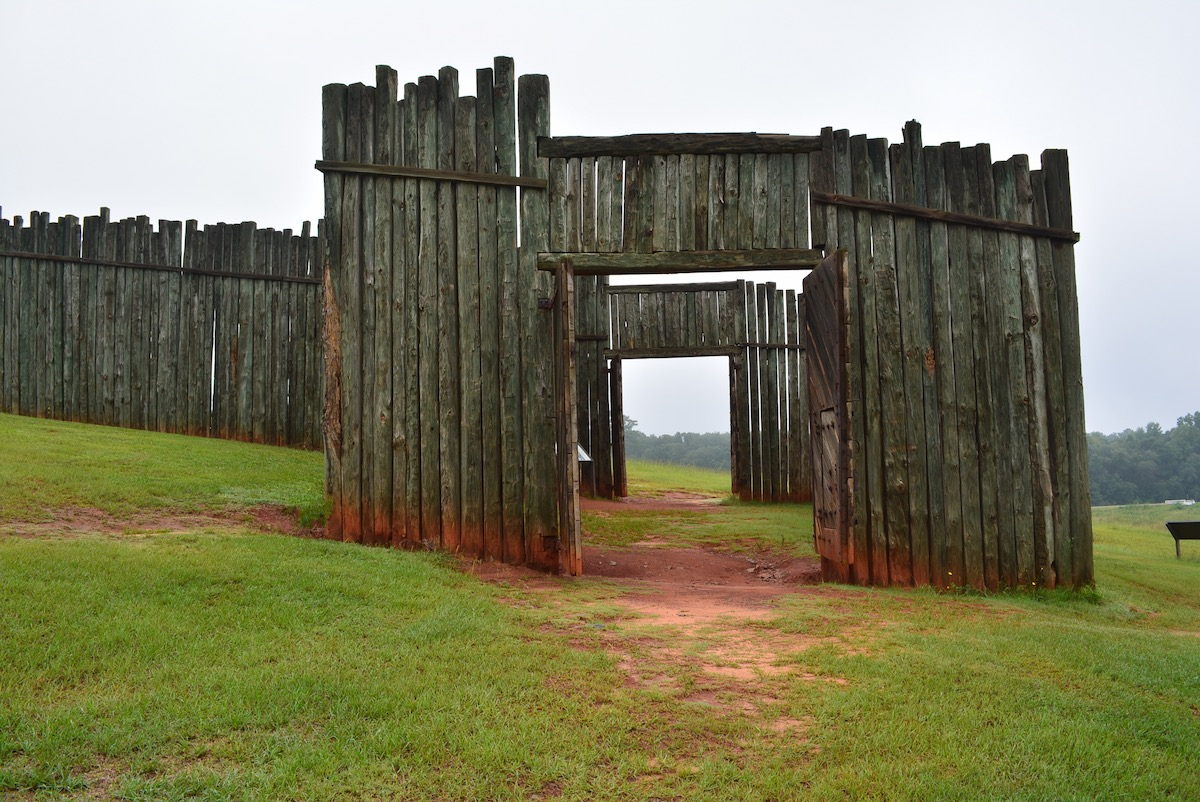
Hear the stories from Andersonville. Camp Sumter was a Confederate prison camp during the American Civil War located in Andersonville, Georgia. Nearly 13,000 prisoners died here. Many of them are unknown. Today, Andersonville National Historic Site tells the story of the prisoners kept here. We will be visiting during the site’s Living History Weekend, giving you a first-hand look into the life of Camp Sumter through reenactments. Andersonville also hosts the National Prisoner of War Museum, providing participants a unique look at American POW history.
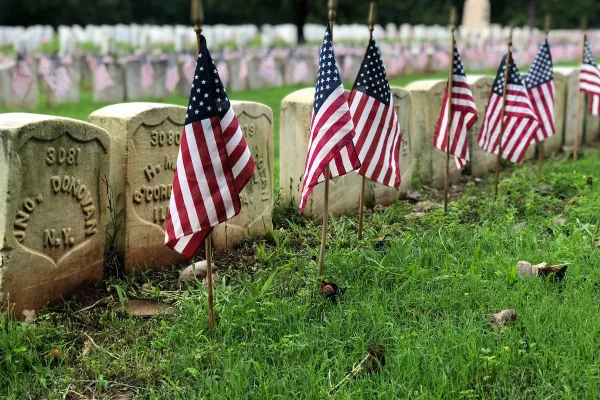
Photo Credit: Scott Dressel | 2021
Photo Credit: Oakley G. Perry | 2026

Study Leadership in its Humblest Form
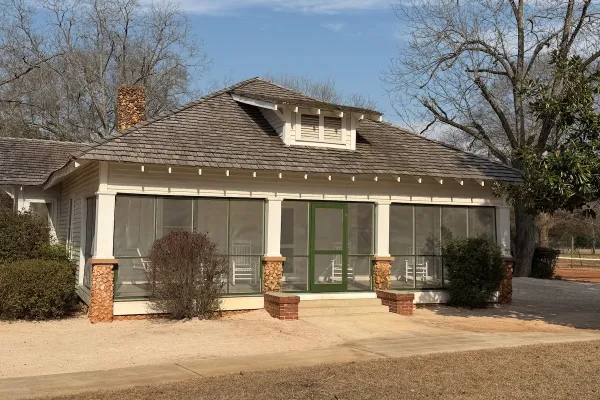
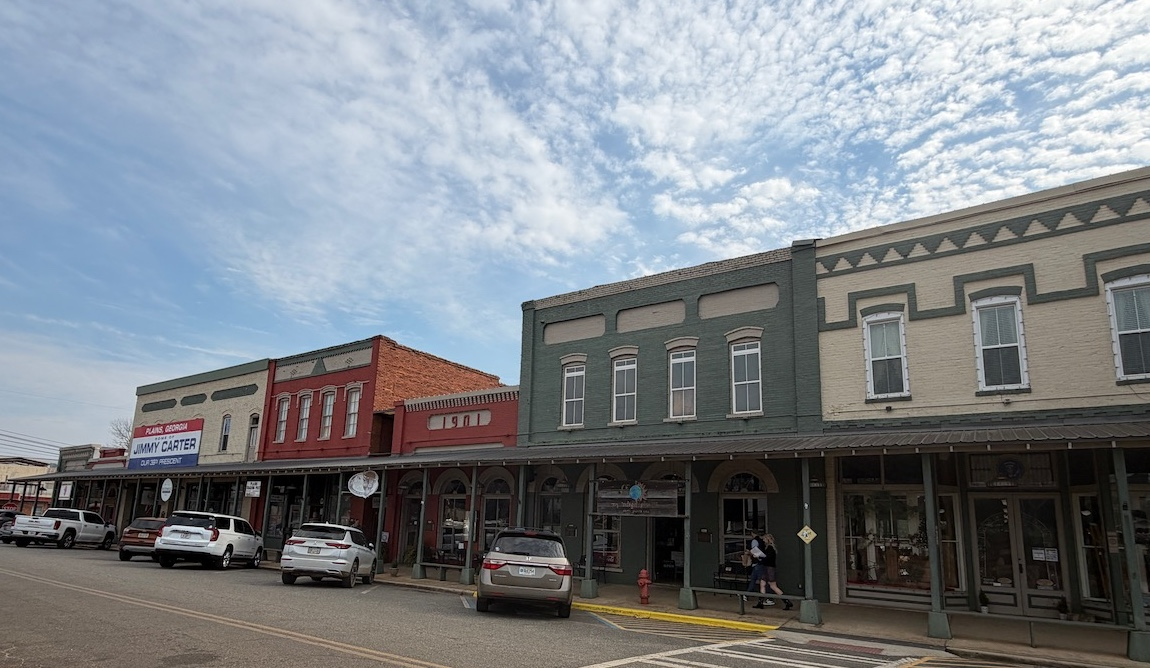
Don’t let the name fool you, Plains is anything but plain. Here, the story of President Jimmy Carter is on full display at the National Historical Park. The peanut farmer from rural South Georgia turned President of the United States of America. Jimmy’s connection to his small hometown never wavered. You will walk the halls where he attended school, explore the farm he grew up on, imagine how the train depot bustled during his campaign, and see the final resting place of President Carter and his wife Rosalynn.

Witness a Canyon of Consequence
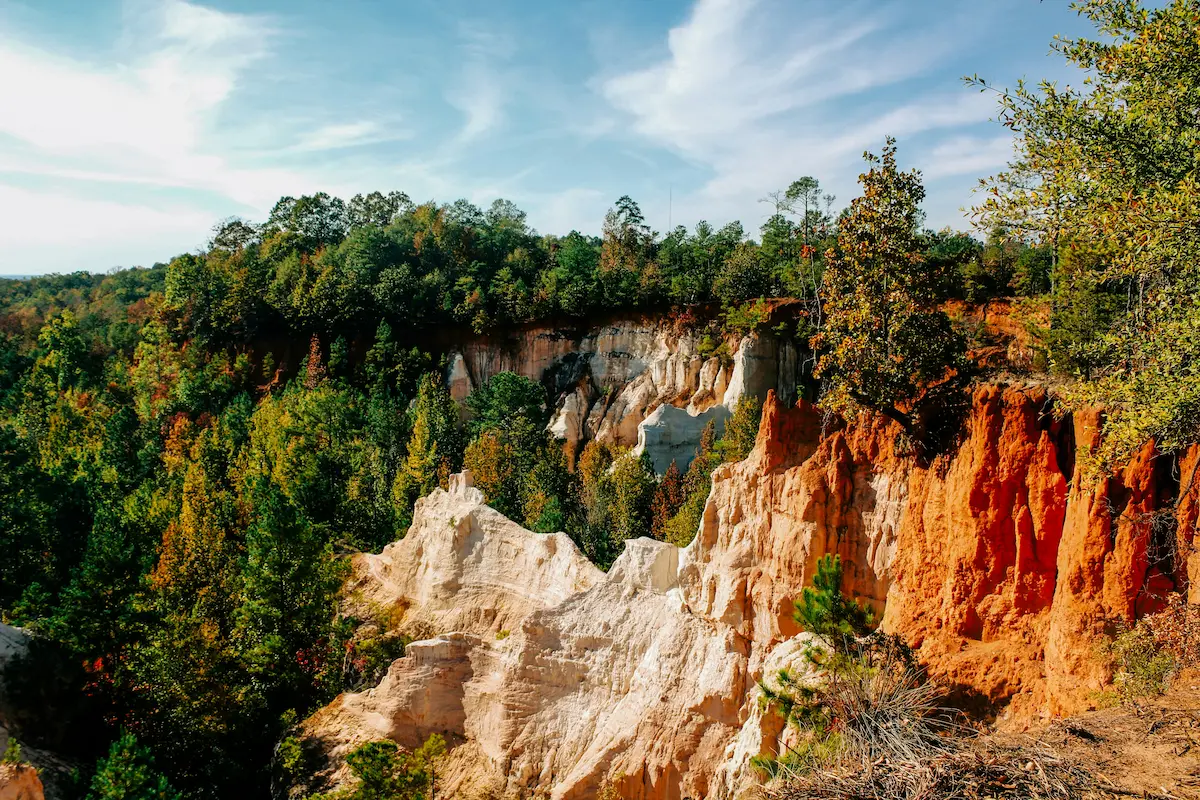
A canyon built in red clay, Georgia’s Little Grand Canyon (Providence Canyon) is a beautiful tragedy. You will hike the canyon, going to the bottom and back up. We will camp in the backcountry for one night before returning to civilization. During our time here, we will see the wildlife that call the area home, watch the sunset dance across the canyon walls, and marvel at the water continuing to dig the canyon out and reshape the land of Southwest Georgia.

Photo Credit: Robin Canfield | 2022
Photo Credit: Mark Bias | 2023
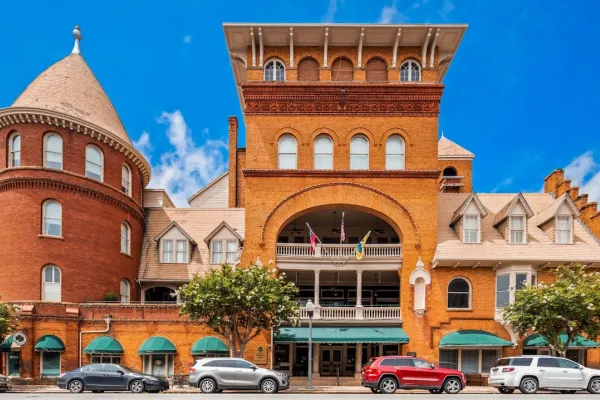
Stay at the historic Windsor Hotel
When is a hotel part of the adventure? When it is as old and special as the Windsor Hotel. Built in the late 1800’s, the hotel is an architectural marvel filled with elegant charm. It’s also reportedly haunted by a friendly bellhop who was the longest serving employee of the Windsor. During our free time, you will also be able to explore downtown Americus, Georgia – home of Georgia Southwestern University.
Focus on Life Skills
Each Bridgeford Adventures’ experience is intentionally designed to help young people practice essential life skills through real-world experiences, shared challenges, and guided reflection. These skills are not taught in a classroom—they emerge naturally through participation, responsibility, and thoughtful facilitation. This method allows participants to return home with skills they can apply long after the adventure ends.
The following life skills will be the focus of our team during this adventure. If you would like to learn more about our approach and other skills, see our PYD page. Life skills are from Iowa State University’s Targeting Life Skills (1998), developed by Dr. Patricia Hendricks.
Service Learning
Service learning combines meaningful service with intentional learning. Participants engage in experiences that address real community needs while developing skills such as empathy, accountability, and leadership. These experiences help connect learning to real life beyond the trip itself.
How this skill shows up on the trip:
-
Identifying opportunities to meet genuine community or environmental needs
-
Working alongside local partners and leaders
-
Reflecting on how service experiences apply to future situations and responsibilities
Empathy
Empathy is a complex emotional state that allows us to identify and understand another person’s situation, feelings, or motives. Teens who have empathy are able to share emotionally significant experiences, experience others’ feelings without judging, and share feelings with others.
How this skill shows up on the trip:
-
Learning about other cultures and comparing them to where they live
-
Explore the hardships of historical figures and imagine what their experiences were like
-
Discussing the motives of people like Jimmy Carter and those of figures at Camp Sumter
Wise Use of Resources
In a world of limited resources, learning to manage those we have is essential. During our adventure, we will explore using sound judgment, not being wasteful, being responsible, and setting priorities. While there are many types of resources, our adventure will focus on the responsible use of time and natural resources.
How this skill shows up on the trip:
-
Through exploring the formation of Providence Canyon
-
Engaging in guided group discussions about what could have been done to prevent the Canyon’s formation
-
Began to plan on how to use resources
Character
A person’s character consists of many things. Straights like a person’s moral strength, integrity, fortitude, reputation, and adherence to their values help make their character.
How this skill shows up on the trip:
-
Reflect on the character traits of President Carter, others, and explore our own character traits
-
Discuss how a reputation is formed and how we can impact the formation of our own
-
Identify our own character traits
Responsible Citizenship
Responsible citizenship involves demonstrating love and devotion in response to duties, rights, and privileges as a member of a community or country.
How this skill shows up on the trip:
-
Discuss the importance of having loyalty to one’s place of residence – or their community
-
Learning more about the history of our nation and its people
-
Identify ways we can have an impact on our community
Trip Frequently Asked Questions.
We get it – Plains, Georgia may sound… well, kind of plain. We promise it’s not! We wanted to develop an adventure where middle schoolers could dig into some tough conversations. There are few places as great as Southwest Georgia to do this. Andersonville allows our group to see firsthand the destruction that decisions can cause while also exploring how the tough fact that people can be bad and cause harm to others.
Plains lightens the mood by showing that goodness can come from some ordinary places. We will explore the place that formed Jimmy Carter, the Peanut Brigade that helped him get elected, the tough challenges and hard truths of his presidency, and how he continued his legacy after the White House.
Providence Canyon is entirely man-made, the result of poor decisions and practices. It allows participants to see firsthand that poor decisions can have very large consequences.
So we challenge you, find us a better location to teach our targeted life skills than this rural part of Georgia.
No – our adventures will never tell your child what to believe. Some of our programs deal with political decisions and may discuss politics in a historical or systems approach – this adventure being one of those; however, content is shared in a neutral way.
We believe it is never our place to tell participants what to believe.
Providence Canyon (also known as the Little Grand Canyon) is a man-made canyon cut in the Georgia clay from poor farming practices. Today, the canyon is a state park.
A more detailed packing list will be sent to all approved participants. The basics include:
- Clothes for 6 days
- Bug Spray
- Sunscreen
- Day bag
- Sturdy hiking shoes
Early April in South Georgia provides comfortable spring weather. The average high is around 70 degrees, and the average low is around 50 degrees.
Our days have about a 50% chance of being clear in early April, with the average daily chance of rain being about 30% (compared to 58% in July). Humidity will be low in early April – making it an ideal time to visit.
Our tuition for programs is meant to be all-inclusive. Tuition covers all programming, meals, lodging, and activities. Participants should bring money for souvenirs and snacks/drinks during breaks. Participants are also responsible for airfare/travel to our meeting location.
It can be. Andersonville was a tough location. Many prisoners died while imprisoned in Andersonville. Conditions were very poor and inhumane. Learning about these things can be overwhelming for some. Our team works with the National Park Service to ensure that the content delivered is age-appropriate. We will provide a space for youth to step away if they need to take a break from any part of the Andersonville portion of the adventure.
Photo Credit: National Park Service